How Do You Clean Invisalign Aligners: Simple Daily Care for Clear Trays
Discover effective ways to clean your Invisalign aligners and keep your smile bright. Learn practical cleaning tips, common mistakes to avoid, and best practices to ensure your aligners stay clear, odor-free, and comfortable. Find expert advice from Lincoln and Seward’s trusted orthodontists at Schoettger Orthodontics, dedicated to supporting your Invisalign journey with modern care and time-tested experience.

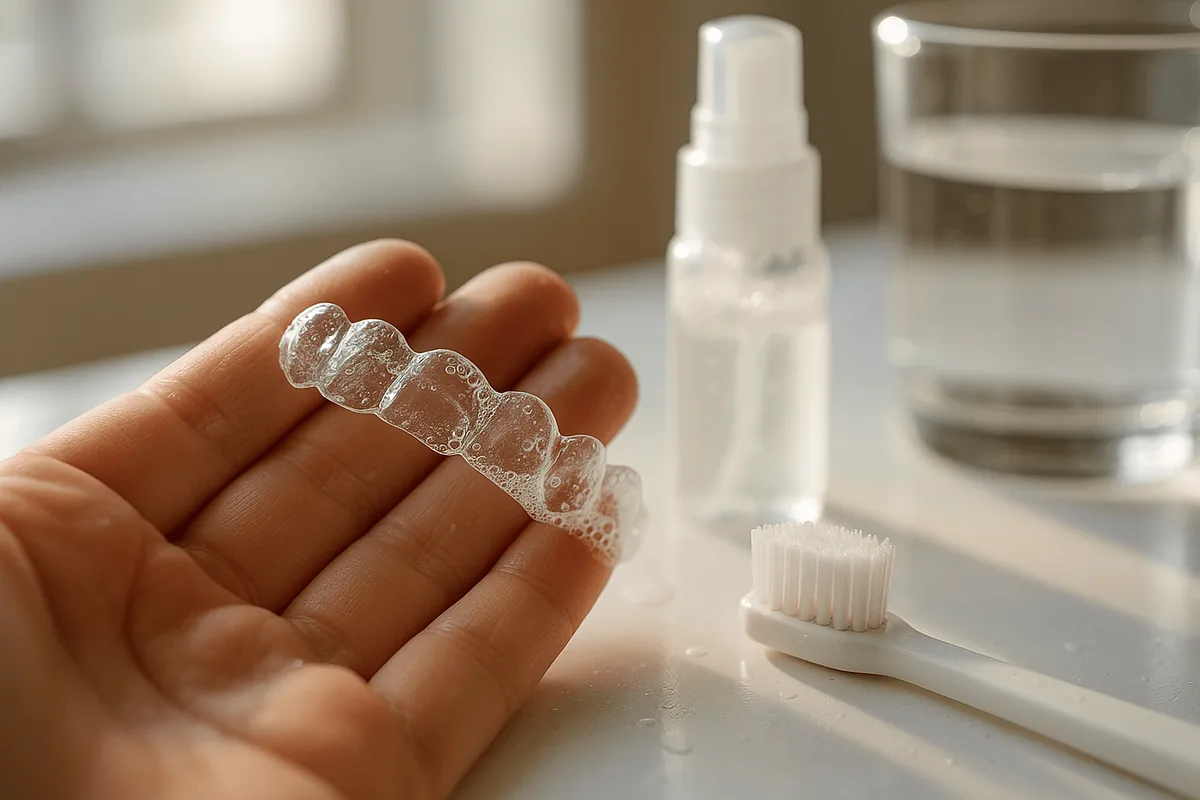
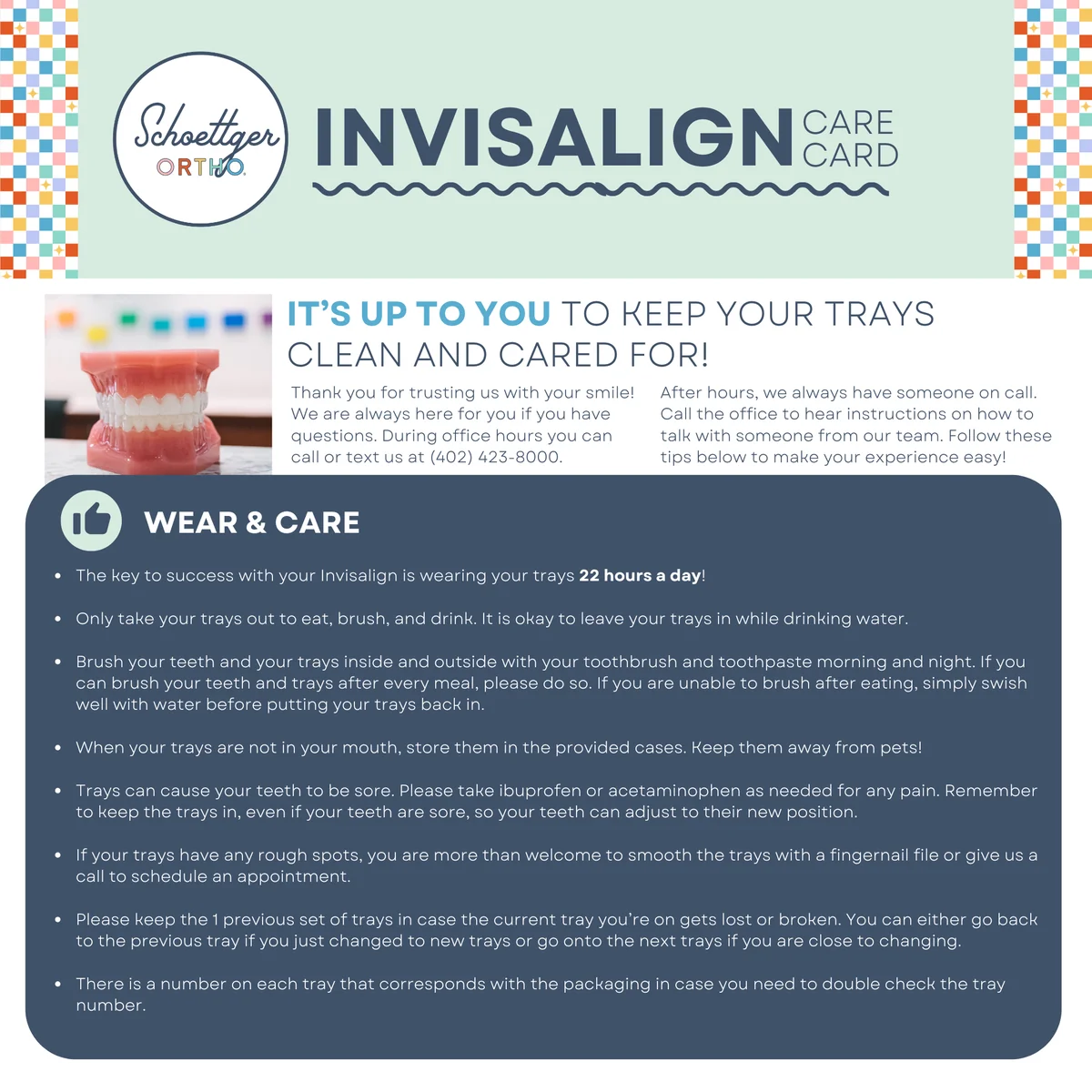
Keeping your trays fresh and clear helps your treatment feel better, look better, and stay on track. When Invisalign aligners are not cleaned well, saliva, plaque, and food residue can build up on the plastic. That buildup may lead to cloudiness, odor, staining, and a less pleasant fit.
How do you clean Invisalign aligners? The good news is that aligner care doesn't need to be complicated. A few steady habits can help you protect your smile, your trays, and your treatment progress.
At Schoettger Orthodontics, we help families in Lincoln and Seward feel confident through every stage of orthodontic care. Whether you are wearing clear trays for the first time, helping your teen build better habits, or preparing for retainers after treatment, the right routine makes daily care easier.
A Simple Daily Cleaning Routine for Invisalign Aligners
A good routine starts with consistency. Your trays sit against your teeth for many hours each day, so they need regular rinsing and brushing to stay fresh. The best routine is easy enough to follow every morning, every night, and after meals.
Start by removing your trays with clean hands. Rinse them under lukewarm water right away. This helps wash away saliva before it dries on the plastic. Avoid hot water, since heat can change the shape of the trays and affect how they fit.
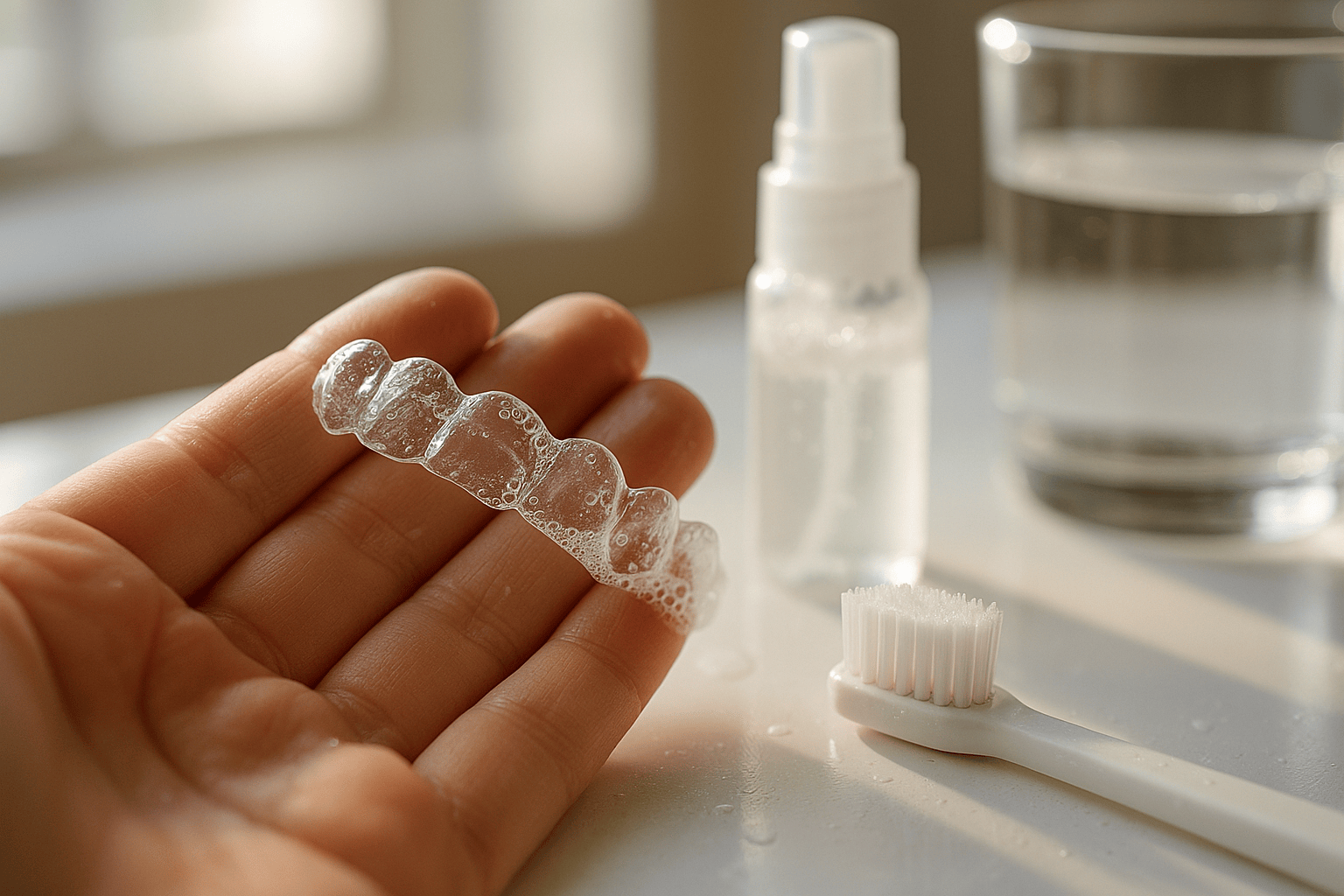
Next, brush the trays gently with a soft-bristled toothbrush. Use a toothbrush reserved only for your tray care, not the same one you use for your teeth. A mild, clear, unscented soap is usually a safe daily choice. Brush every surface with light pressure, then rinse well before placing the trays back in your mouth.
For the best results, brush and floss your teeth before reinserting your trays. If food particles are trapped between your teeth and the plastic, bacteria can grow faster. That may lead to odor, staining, and dental concerns during treatment.
A simple daily routine can look like this:
- Morning: Remove, rinse, brush, rinse again, then place the trays back in after brushing your teeth.
- After meals: Brush and floss when possible. If you can't brush, rinse your mouth and trays well before wearing them again.
- Night: Clean your trays before bed and brush your teeth carefully before reinserting them.
This routine helps keep aligners clean without adding stress to your day. It also supports the clear look that makes Invisalign a popular choice for teens and adults.
Safe Cleaning Solution Options That Work
Choosing the right cleaning solution matters because the plastic used for clear trays can scratch, cloud, or warp when exposed to harsh products. A safe product should clean the tray without leaving strong residue, color, or odor behind.
For daily care, mild clear soap and water work well for many patients. Use a small amount of soap, brush gently, and rinse the trays until no soap remains. This is simple, affordable, and easy to keep up with at home.
For periodic deeper care, Invisalign cleaning crystals can help remove stains and reduce odor. These crystals dissolve in water and are made for clear tray material. Follow the package directions closely, including the soak time. After soaking your aligners, brush them gently and rinse them thoroughly before placing them back in your mouth.
Some patients ask about homemade options. A diluted white vinegar soak may help with light mineral buildup or mild cloudiness, but it should be used carefully and rinsed very well. Strong mixtures can leave a taste behind and may not be right for every patient. Baking soda can also be too gritty if scrubbed directly onto the trays. Since the plastic is meant to stay smooth and clear, gentle care is always better than aggressive scrubbing.
For most patients, the best plan is a balanced one: use mild soap for daily cleaning and Invisalign cleaning crystals for deeper care when needed. If you have allergies, sensitivities, or questions about a specific product, ask your orthodontic team before using it.
Cleaning Methods and Products to Avoid
Some products seem helpful but can damage clear trays. Since your trays are custom-fit to guide your teeth, even small changes to the plastic can affect comfort and treatment progress.
Avoid using toothpaste on your trays. Many toothpastes contain tiny abrasive particles that can scratch the plastic. Once the surface becomes scratched, the trays may look cloudy and collect buildup faster.
You should also avoid colored mouthwash. Even if it makes your breath feel fresh, the dyes can tint the trays. Mouthwash with alcohol may also be too harsh for the material.
Don't use bleach, household cleaners, or strong disinfectants. These products are not made for items that sit in your mouth. They can leave unsafe residue, discolor the plastic, and create an unpleasant taste.
Hydrogen peroxide is another product many people ask about. While it's often used in dental settings for certain purposes, cleaning Invisalign with hydrogen peroxide is not the best first choice unless your orthodontist gives you specific instructions. It may not clean buildup as well as a product made for trays, and it can lead to confusion about safe mixing, soaking, or rinsing.
Skip these common mistakes:
- Using hot or boiling water
- Brushing trays with toothpaste
- Wearing trays while eating
- Drinking coffee, tea, soda, or wine with trays in
- Wrapping trays in a napkin during meals
- Using bleach, peroxide, or household cleaners
- Letting trays dry out without rinsing first
If your trays look yellow, smell unpleasant, or feel rough, don't try to fix the problem with harsh products. A safer approach is to deep clean aligners with a product made for clear trays and contact your orthodontic office if the issue doesn't improve.
Invisalign has their own line of invisalign cleaning products (cleaning crystals, sprays, etc.) that you can order to take care of your trays.
Home and Travel Care for Busy Days
Life gets busy, and tray care has to work outside the bathroom at home. School, work, sports, travel, and family schedules can make cleaning harder, but a small care kit can keep you prepared.
Carry a case with you everywhere. Whenever your trays aren't in your mouth, they should be in the case. This protects them from germs, damage, and accidental loss. Many trays are thrown away because they were wrapped in a napkin during a meal.
A travel-size toothbrush can also help. Keep one in your bag, backpack, desk, or car so you can brush after meals. If brushing isn't possible, rinse your mouth with water and rinse the trays before putting them back in. Then brush as soon as you can.
If you drink anything other than water, remove your trays first. Coffee, tea, sports drinks, and soda can stain the plastic. Sugary drinks can also sit between the trays and teeth, increasing the risk of plaque and dental issues.
Daily and Travel Care Quick Reference
Morning Care
- What to Do: Rinse and gently brush trays before wearing.
- Helpful Tools: Soft toothbrush, clear soap, lukewarm water.
- What to Avoid: Hot water or toothpaste.
After Meals
- What to Do: Brush teeth and rinse trays before reinserting.
- Helpful Tools: Toothbrush, floss, travel case.
- What to Avoid: Wearing trays over food particles.
Drinks
- What to Do: Remove trays for anything besides water.
- Helpful Tools: Case, water bottle.
- What to Avoid: Coffee, tea, soda, or wine with trays in.
Weekly Deep Clean
- What to Do: Soak as directed, then brush and rinse well.
- Helpful Tools: Cleaning crystals, clean cup, soft brush.
- What to Avoid: Soaking longer than directed.
Travel or School
- What to Do: Store trays in the case when not worn.
- Helpful Tools: Case, travel brush, bottled water.
- What to Avoid: Napkins, pockets, open surfaces.
Maintaining clean trays is easier when your tools are close by. A simple kit can protect your trays and keep treatment moving smoothly even on your busiest days.
Recommended Cleaning Timing
A strong cleaning schedule is built around the times you already remove your trays. Most patients do best when care becomes part of their morning, meal, and bedtime habits.
Clean your trays at least twice daily. Morning cleaning removes overnight buildup. Night cleaning removes the residue collected throughout the day. These two anchor points help keep your Invisalign aligners fresher and clearer.
Rinse every time you remove them. Even a quick rinse helps prevent saliva from drying on the plastic. If you skip rinsing several times in a row, the trays may become cloudy or start to smell.
After eating, brush your teeth before putting the trays back in. When brushing is not available, rinse your mouth well and clean more carefully as soon as you can. This is especially helpful for teens at school or adults with long workdays.
Use cleaning crystals once or twice per week, or as directed by your orthodontic team. Don't reuse Invisalign cleaning crystals unless the product directions say it's safe. Most cleaning solutions are meant for one use because the water collects residue from the trays during soaking.
An ultrasonic cleaner may be useful for some patients, but it should be used with the right solution and under your orthodontist’s guidance. Ultrasonic devices can help loosen debris, but they don't replace brushing, rinsing, or regular dental care.
If your trays still look cloudy after cleaning, check your routine. You may need to rinse sooner after removing them, brush more gently but more often, or avoid staining drinks while wearing them.
Keep Your Invisalign Care Simple with Local Support
A clean tray routine can make Invisalign treatment feel easier from day to day. When you rinse often, brush gently, use safe products, and store trays properly, you help prevent odor, cloudiness, staining, and avoidable buildup. These habits also support your teeth and gums while your smile is moving into place.
Schoettger Orthodontics is here to help patients in Lincoln, Seward, and nearby communities feel confident during every stage of care. Whether you have questions about Invisalign, braces, retainers, cleaning products, or daily wear habits, our team can guide you with practical advice that fits your routine.
Schedule a free consultation with Schoettger Orthodontics to get personalized Invisalign support and start working toward your Schoettger shine.
Start your smile transformation today
Schedule your free consultation and discover your Schoettger shine.