Why Is Wearing Invisalign Consistently Important?
Discover why wearing Invisalign aligners consistently is so important for effective orthodontic results. Learn the benefits of steady wear, practical tips for success, and what to expect during your treatment. Trust Schoettger Orthodontics, serving Lincoln and Seward, for expert advice and family-friendly care as you achieve a confident smile with Invisalign.

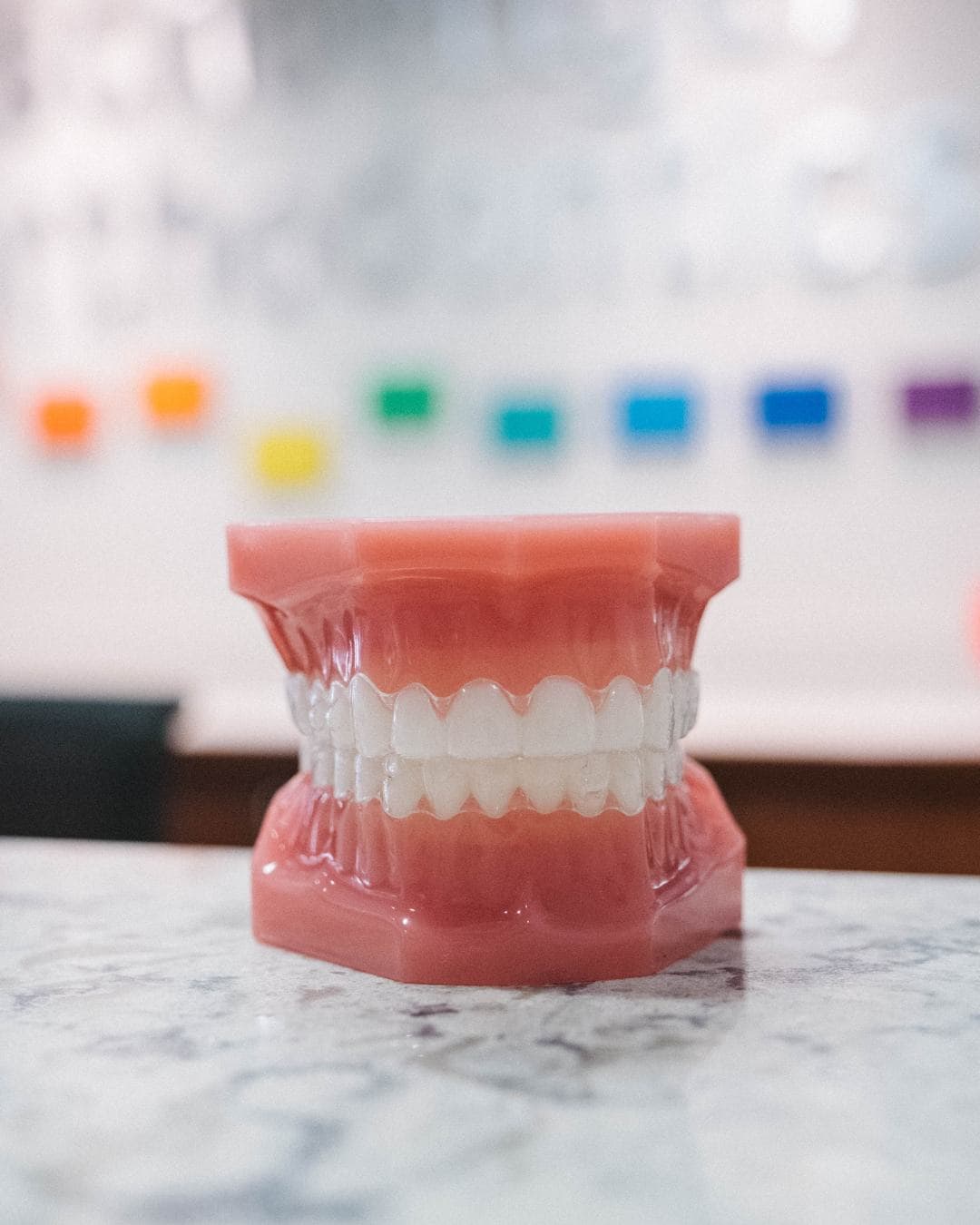
Invisalign is designed to fit your life while guiding your smile through planned, steady movement. The clear trays are removable, comfortable, and discreet, but they only work when they're worn as directed. If your aligners are out too often, your teeth don't receive the steady pressure needed to keep treatment moving.
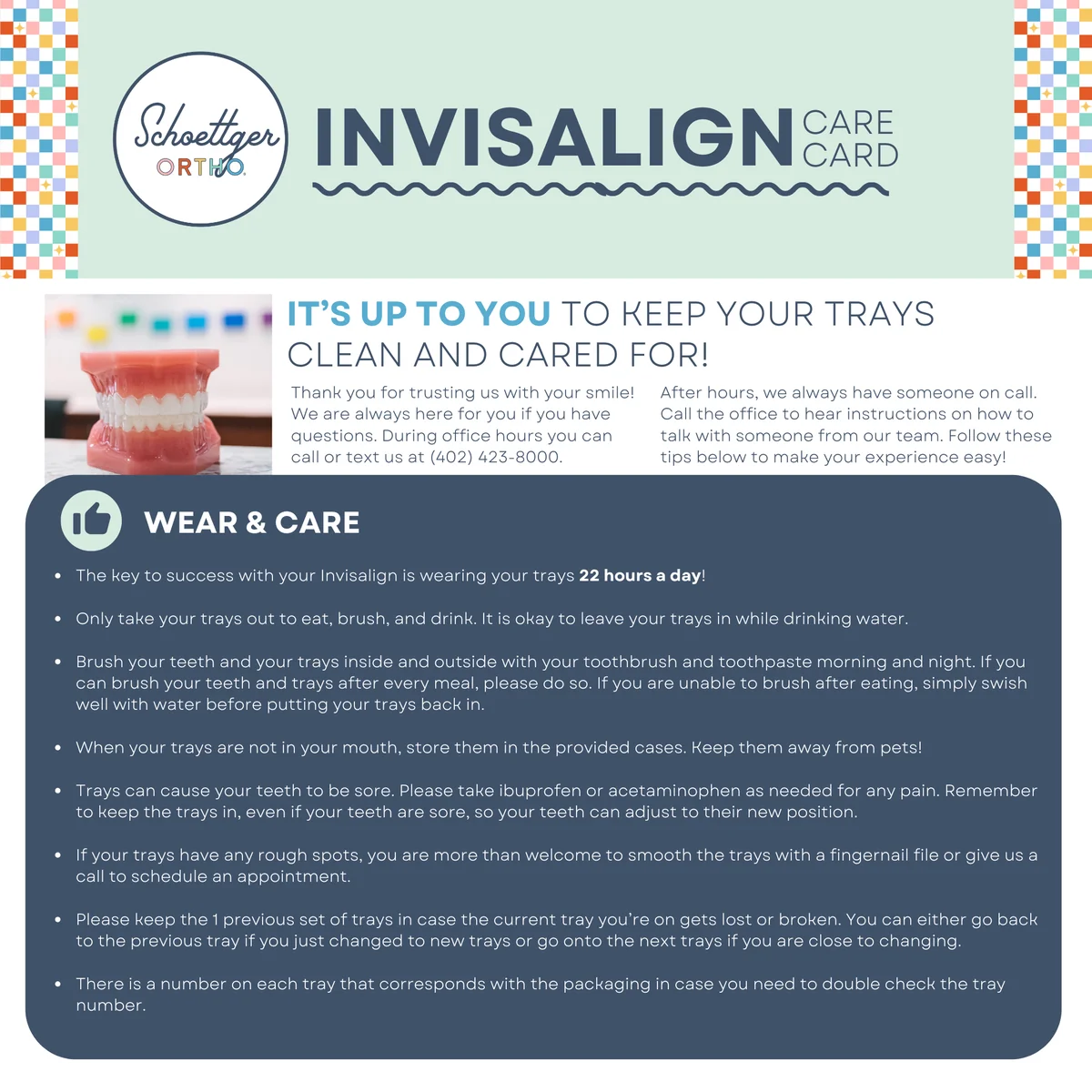
For many patients, Invisalign aligners should be worn 20 to 22 hours per day. That usually means removing them only for meals, drinks other than water, brushing, and flossing. Consistent wear helps each aligner seat properly, move your teeth on schedule, and prepare your smile for the next set.
At Schoettger Orthodontics, we help patients in Lincoln, Seward, and nearby communities build Invisalign habits that fit real life. Our board-certified orthodontists use advanced technology, clear communication, and family-focused care to help kids, teens, and adults stay confident during treatment.
Why is wearing Invisalign consistently important? Invisalign can be highly effective, but success depends on teamwork. Your orthodontist creates the plan, and your daily wear habits help bring that plan to life.
How Consistent Wear Supports Treatment Outcomes
Each Invisalign aligner is shaped to guide certain teeth into new positions. The movement is gentle, but it needs steady pressure over time. When aligners are worn consistently, that pressure stays active for most of the day and night. This helps teeth move in the right direction without unnecessary delays.
When aligners are left out too long, the pressure stops. Teeth may stall, shift more slowly, or move in a way that doesn't match the treatment plan. In some cases, your teeth may revert toward their previous positions, especially if aligners are skipped for long periods.
Consistent wear ensures your aligners seat correctly. A good fit matters because each tray must hug the teeth closely to guide movement. If an aligner doesn't seat well, the next set may feel too tight or may not fit at all. This can slow treatment and may require extra wear time, refinements, or additional visits.
Many patients also notice improved comfort when they stay on schedule. Wearing aligners full-time helps teeth adapt gradually. Skipping hours may make the aligner feel tight when it goes back in, which can lead to soreness or frustration.
Invisalign works best when aligners are treated as part of your daily routine, not something to wear only when convenient.
How Invisalign Aligners Move Teeth Safely
Invisalign aligners are custom-made for your smile. Each set is designed to move specific teeth a small amount. Over time, the series of trays guides your teeth into healthier, more balanced positions.
This process depends on controlled force. When an aligner fits over your teeth, it applies gentle pressure to the areas your orthodontist planned. Your bone and supporting tissues respond by allowing tooth movement in a safe, gradual way. That is why full-time wear matters. The aligner needs enough hours each day to keep that process active.
Invisalign aligners require a high level of patient participation because they're removable. Traditional braces stay on the teeth all day, but aligners depend on your daily choices. That flexibility is one of the biggest benefits of Invisalign, but it also means consistency matters.
Compared with braces, Invisalign offers several lifestyle advantages. The trays are clear, smooth, and removable. Patients can eat their usual foods, brush and floss normally, and enjoy a low-profile look during treatment. Invisalign clear braces can transform your appearance while fitting into school, work, sports, and social plans.
Still, aligner treatment is not a shortcut. The trays need to be worn as prescribed. If they're not, the planned tooth movement may not happen at the right pace. Your orthodontist monitors progress and checks fit at visits, but your daily habits influence how well each stage works.
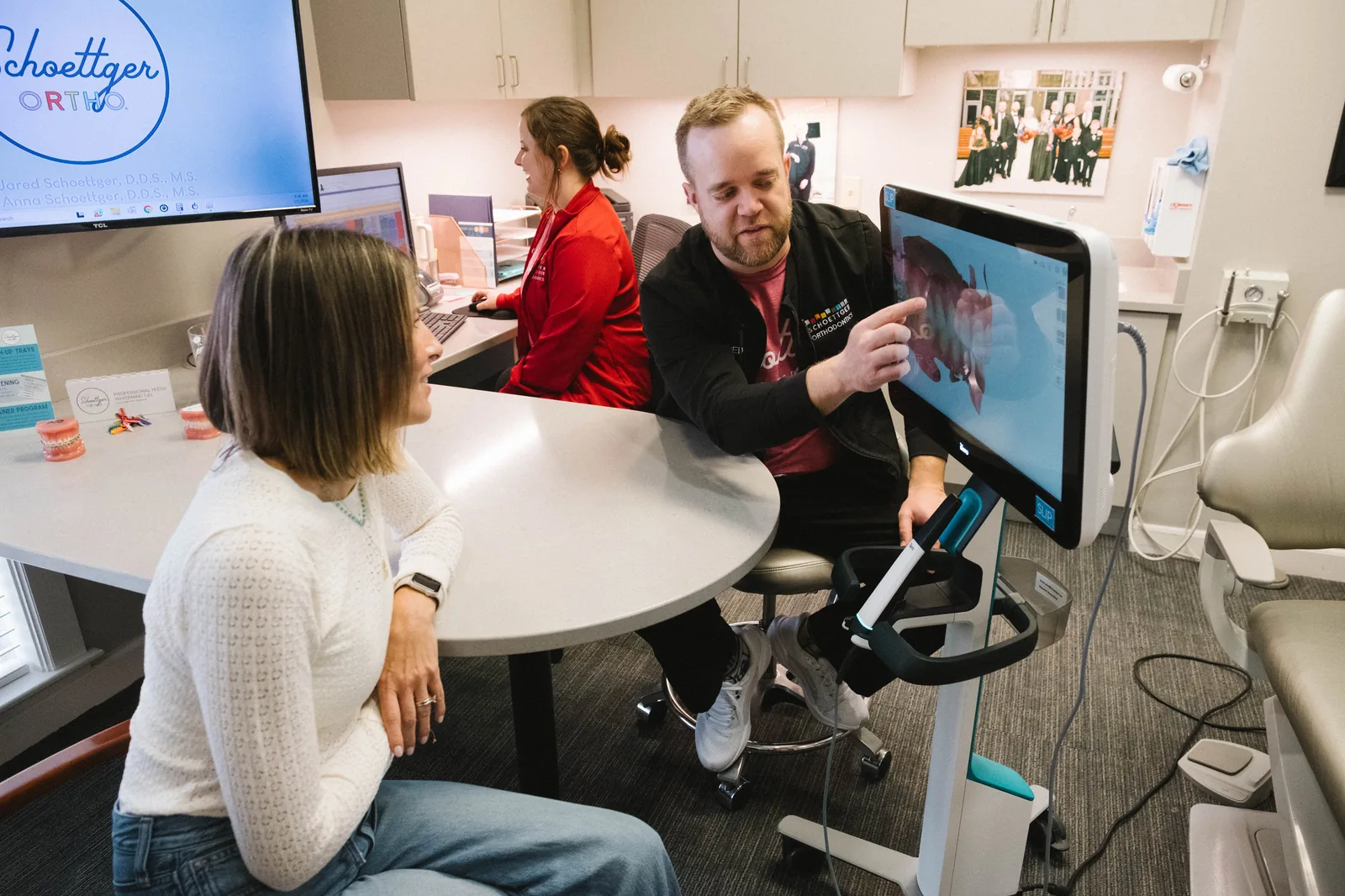
At Schoettger Orthodontics, iTero digital scanning helps create accurate 3D images of your teeth. This allows our team to plan treatment with precision and show patients how their smile may change. Technology helps guide the process, but consistent wear turns the plan into real results.
Benefits of Wearing Aligners as Directed
The benefits of consistent Invisalign wear go beyond staying on schedule. Steady habits can make treatment feel smoother, cleaner, and easier to manage from one tray to the next.
Patients who wear aligners as directed often experience better tracking. Tracking means the aligner is fitting the teeth the way it should. When tracking is strong, each new tray is more likely to seat properly and feel manageable.
Consistent wear can also support improved oral hygiene. Because Invisalign trays are removable, you can brush and floss without brackets or wires in the way. That makes it easier to keep teeth and gums clean during treatment. Clean teeth also help trays feel fresher and fit better.
Another benefit is improved comfort. Mild pressure is normal when switching to a new aligner, but frequent skipped wear can make that pressure feel stronger. Keeping aligners in for the recommended time helps your mouth adjust more steadily.
Patients also appreciate that Invisalign fits many lifestyles. Teens can smile in photos with less concern about metal brackets. Adults can attend work meetings, weddings, and community events with a more discreet treatment option. Children who qualify for Invisalign can benefit from early guidance while building strong habits.
Invisalign benefits may include:
- Predictable progress when trays are worn 20 to 22 hours per day
- Improved comfort because teeth adjust with steady pressure
- Better fit from one aligner to the next
- Improved oral hygiene because trays come out for brushing and flossing
- Flexible eating habits since trays are removed for meals
- A discreet look for school, work, photos, and events
- Fewer avoidable delays when patients follow their plan
Cosmetic dentistry often focuses on the appearance of a smile, while orthodontic care focuses on tooth position, bite function, and long-term dental health. Invisalign can support both appearance and function when guided by an orthodontist.
Habits That Help You Wear Invisalign Consistently
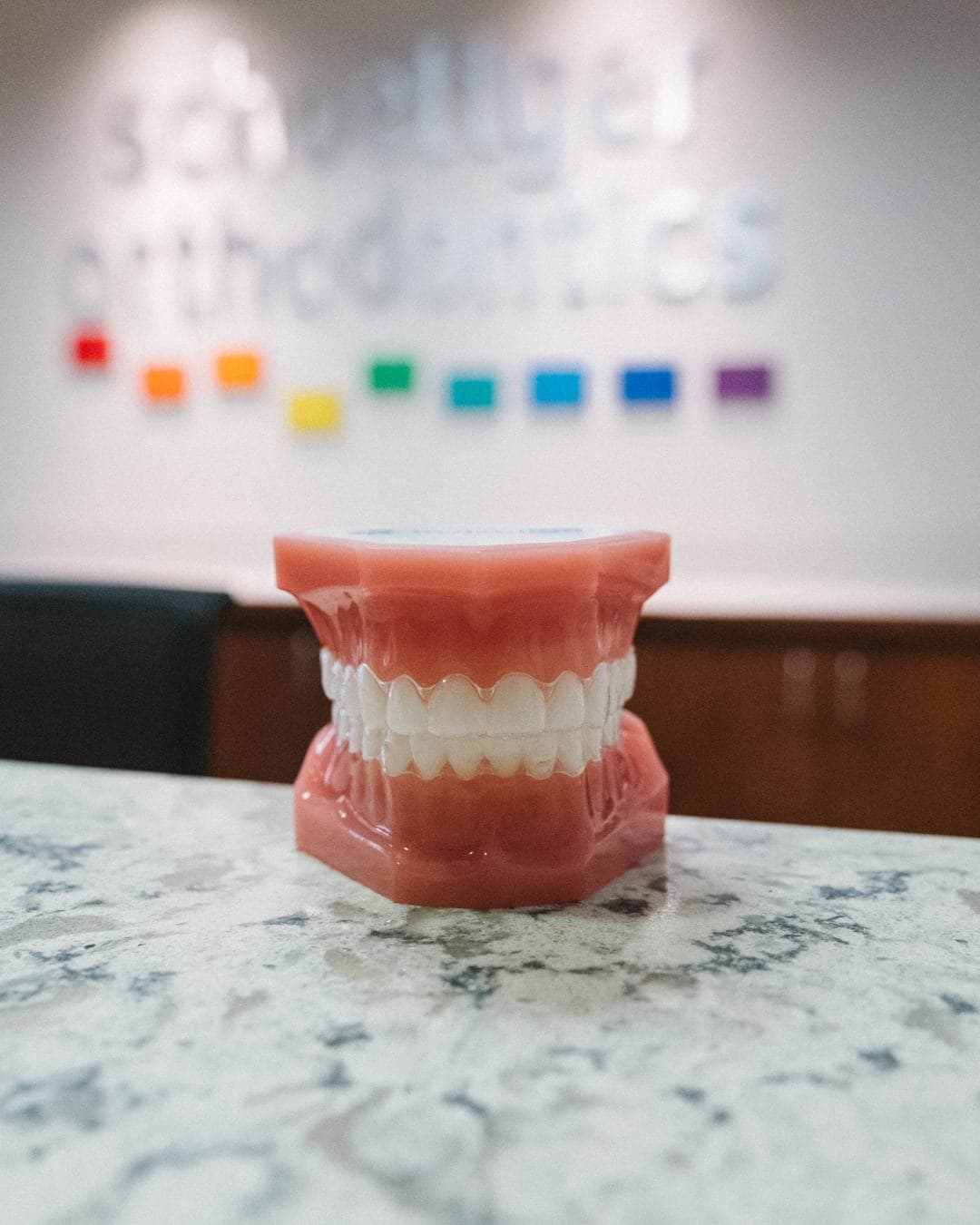
Strong habits make Invisalign easier. The goal is to reduce the number of times you have to think about your trays during the day. When aligner wear becomes automatic, treatment feels simpler.
Start by setting clear times for meals and snacks. Since aligners should be worn most of the day, frequent snacking can reduce wear time quickly. Try to eat, brush, and place the trays back in soon after.
Keep your case with you at all times. Never wrap aligners in a napkin or place them loose in a pocket, backpack, or purse. Lost or damaged trays can interrupt treatment and may require a replacement.
Use phone reminders if you often forget to put aligners back in. A simple timer after meals can prevent trays from sitting out too long. Some patients also use an Invisalign app or calendar to track wear time and tray changes.
Clean trays also encourage better wear. Rinse aligners when you remove them, brush them gently with a soft toothbrush, and avoid hot water because it can warp the plastic. Invisalign cleaning crystals may be useful when your orthodontic team recommends deeper cleaning.
Helpful daily habits include:
- Wear aligners 20 to 22 hours per day unless your orthodontist gives different instructions.
- Remove trays for meals and drinks other than water to prevent staining and buildup.
- Brush and floss before reinserting trays when possible.
- Set a timer after eating so trays don't stay out too long.
- Keep a case in your bag, car, or locker for school, sports, work, and travel.
- Switch to a new tray at night if your orthodontist recommends it, so you can sleep through the first hours of pressure.
- Call your orthodontic team if a tray cracks, feels wrong, or stops fitting well.
Small routines can make a big difference. At Schoettger Orthodontics, our team helps patients and parents find practical ways to fit aligner wear into busy schedules.
Common Challenges and Smart Solutions
Even motivated patients run into challenges. The most common issue is forgetting to put aligners back in after eating. This is especially common during the first few weeks, before the routine feels natural.
A simple reminder can solve the problem. Set a phone alarm for 20 to 30 minutes after meals. This also helps answer a common patient question: the “30-minute rule” usually refers to keeping meals and tray breaks short so aligners can go back in quickly. Your exact routine should follow your orthodontist's instructions.
Discomfort with a new aligner can also make patients want to remove trays. Mild pressure is expected, especially during the first day or two. If pain feels sharp, severe, or doesn't improve, contact your orthodontist. Don't force a tray that won't seat.
Some patients ask whether Invisalign can fix TMJ issues. Jaw discomfort can have many causes. Invisalign may help certain bite-related concerns, but it's not the right answer for every TMJ problem. A consultation is the best way to understand what's contributing to your symptoms.
Others wonder whether they can use nicotine pouches, such as Zyn, with Invisalign. It's best to remove aligners before placing anything in your mouth that's not water and to speak with your dental or orthodontic provider about nicotine use. Pouches can affect oral tissues, stain trays, and interfere with healthy habits.
Patients may also ask why some dentists don't recommend Invisalign. In many cases, the concern is not Invisalign itself. It may be case complexity, bite issues, gum health, or whether the patient can commit to full-time wear. An orthodontist has advanced training in tooth movement and can explain whether Invisalign or braces are the better fit.
If you struggle with consistency, don't feel embarrassed. Tell your orthodontic team. A realistic plan is better than guessing, skipping wear, or waiting until the next visit to mention a problem.

Stay on Track with Schoettger Orthodontics
Wearing Invisalign consistently is one of the best ways to protect your treatment time, comfort, and results. Aligners need steady daily wear to move your teeth as planned. When they are worn as directed, they fit better, feel better, and help each stage of treatment work the way it should.
Schoettger Orthodontics gives patients in Lincoln and Seward the support they need to succeed with Invisalign. Our board-certified orthodontists combine advanced digital tools with a warm, family-centered approach. We help children, teens, and adults understand their treatment, build strong habits, and feel confident about each step.
If you're considering Invisalign, struggling with wear time, or wondering whether aligners are right for your smile, schedule a free consultation with Schoettger Orthodontics. Our team can evaluate your teeth, answer your questions, review payment options, and help you discover your Schoettger shine.
Start your smile transformation today
Schedule your free consultation and discover your Schoettger shine.