What Should You Do if Invisalign Hurts?
Struggling with Invisalign pain or sore teeth? Discover practical tips for fast relief and learn how to care for your smile during orthodontic treatment. Find out why discomfort happens, when to expect it, and when it’s time to contact your orthodontist. Schoettger Orthodontics in Lincoln and Seward, NE offers expert advice and support for your Invisalign journey.

What Should You Do if Invisalign Hurts?
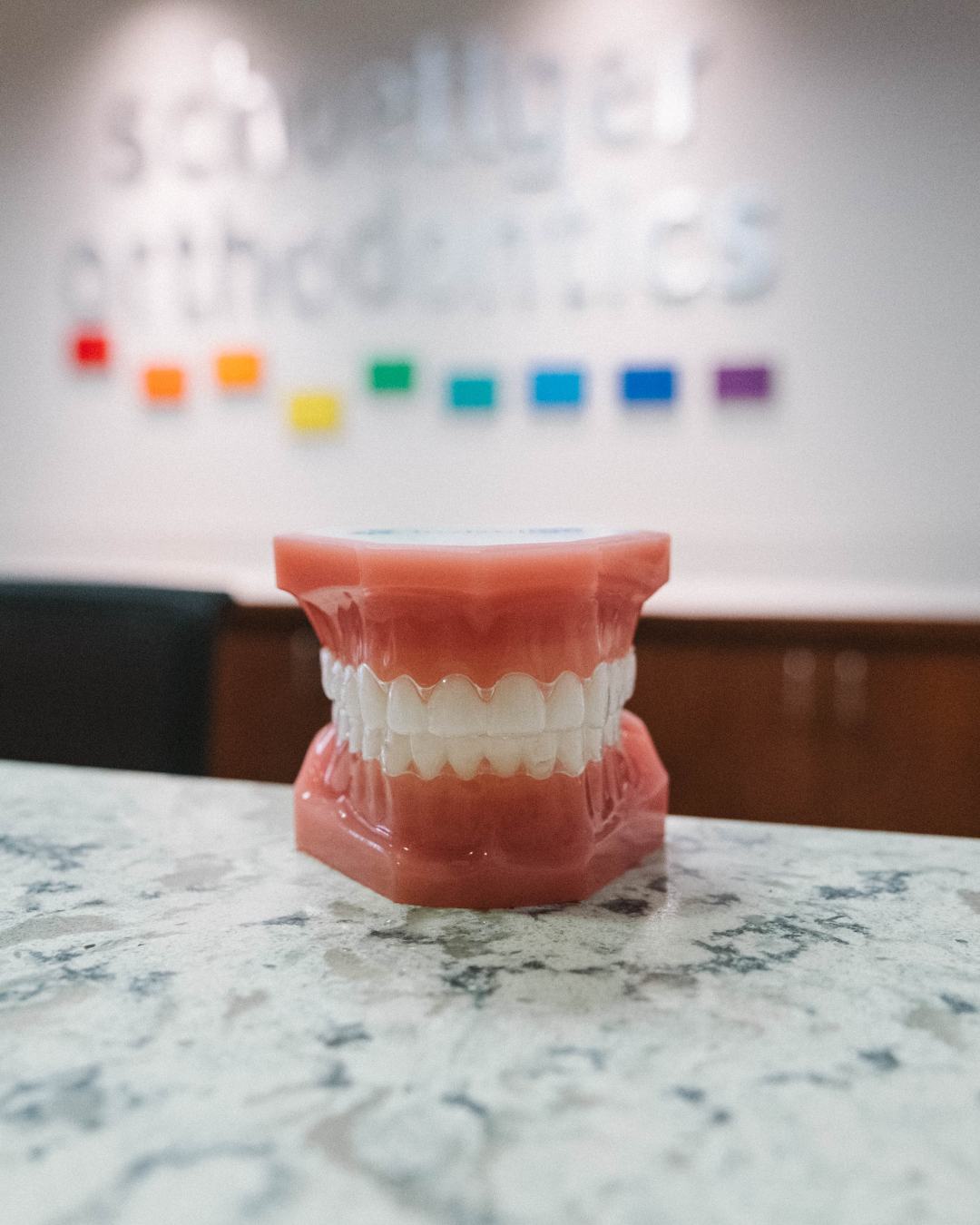
Invisalign can make orthodontic treatment feel easier, cleaner, and less noticeable than traditional braces, but some soreness is normal. Clear aligners work by applying gentle pressure to your teeth. That pressure helps guide tooth movement, especially when you start a new set of trays.
What should you do if Invisalign hurts? If Invisalign hurts during the first few days, it often means the aligners are doing their job. Still, you shouldn't have to guess what is normal or suffer through discomfort without support. The right steps can help you reduce pain, protect your mouth, and stay on track with treatment.
At Schoettger Orthodontics, our board-certified orthodontists help patients in Lincoln, Seward, and nearby communities feel confident through every stage of Invisalign care. Whether you're new to aligners, switching to a new tray, or dealing with irritation from an edge, our team can help you understand what is happening and what to do next.
Can Invisalign Hurt? Why Invisalign Can Feel Sore
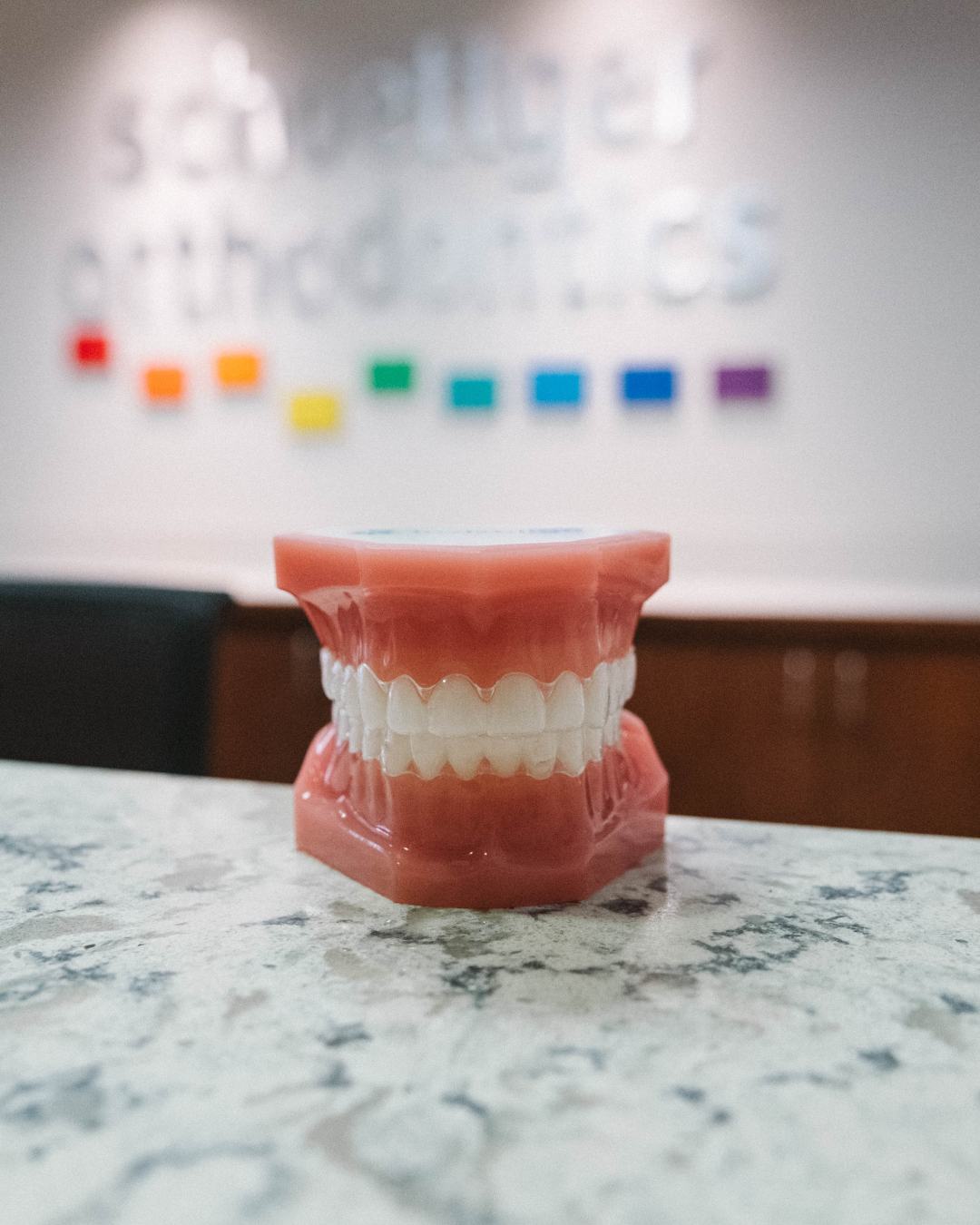
Invisalign aligners are custom-made to move your teeth in small steps. Each tray is shaped a little differently from the one before it. When you insert a new aligner, your teeth begin responding to new pressure. This can create tenderness, tightness, or mild aligner pain.
Most patients describe the feeling as pressure rather than sharp pain. The teeth may feel sensitive when biting, chewing, or removing the trays. This is most common when starting treatment or changing to a new set of aligners.
Invisalign discomfort can also come from your mouth adjusting to the plastic. The cheeks, lips, tongue, and gums may need a few days to get used to the tray edges or attachments. If a tray has a rough spot, it may rub one area and create irritation.
Common reasons Invisalign may hurt include:
- New tray pressure: A fresh aligner applies force to move teeth into the next planned position.
- Tight fit: Aligners may feel snug when your teeth are still adjusting.
- Sensitive teeth: Tooth movement can make biting or chewing feel tender for a short time.
- Rough edges: A small edge or tray irregularity may rub the gums, tongue, or cheeks.
- Attachments: Small tooth-colored attachments can create pressure points as aligners snap into place.
- Removing trays incorrectly: Pulling too hard from one side may increase soreness.
- Not wearing trays as directed: If aligners are out too long, they can feel tighter when reinserted.
Invisalign pain should be manageable. Mild soreness means movement is happening. Severe, sharp, or worsening pain may mean the tray needs attention.
How Long Invisalign Discomfort Usually Lasts
For most patients, soreness is strongest during the first 24 to 48 hours after starting a new tray. It often fades over the next few days as the teeth adjust. Some patients feel better within a day, while others notice tenderness for three to five days.
The first aligner may feel the most unusual because your mouth is learning how treatment feels. Later trays may still create pressure, but many patients adjust more quickly once they understand the pattern.
Some patients ask what stage of Invisalign hurts the most. The answer varies. The first tray can feel strange because everything is new. A later tray may feel more noticeable if it's designed to move a specific tooth or group of teeth. Invisalign pain in one tooth can happen when that tooth is receiving targeted pressure. That may be normal, but it should improve.
The “30-minute rule” with Invisalign is often used as a reminder to keep trays out for short periods during meals and cleaning. If trays are out too long, your teeth may shift slightly, and the aligner may feel tighter when it goes back in. Your orthodontist will tell you what wear schedule to follow, but many patients are asked to wear aligners 20 to 22 hours per day.
Symptoms and Next Steps Comparison
Mild pressure after a new tray
- Typical Timing: First 1 to 3 days
- What May Help: Wear aligners as directed, use cold compress, choose soft foods
- When to Call: If it becomes sharp or severe
Sore teeth when chewing
- Typical Timing: First few days after tray change
- What May Help: Soft foods, smaller bites, short-term pain relievers if approved
- When to Call: If you can't eat normally after several days
Gum or cheek irritation
- Typical Timing: Any time, often with a new tray
- What May Help: Try orthodontic wax and rinse with warm salt water
- When to Call: If sores, bleeding, or swelling appear
Tray feels painfully tight
- Typical Timing: When inserting a tray
- What May Help: Use chewies only if directed and check fit
- When to Call: If the tray won't seat fully
Pain when removing aligners
- Typical Timing: First days or with attachments
- What May Help: Remove slowly and use aligner retriever tools if recommended
- When to Call: If removal causes sharp pain or bleeding
Discomfort lasting over a week
- Typical Timing: Beyond normal adjustment period
- What May Help: Contact the orthodontist for a fit check
- When to Call: Call promptly for guidance
If your Invisalign pain feels unbearable, don't wait for your next visit. Call your orthodontist so the team can check whether the tray fits correctly.
At-Home Pain Relief That Can Help with Your Mouth Pain
Most Invisalign soreness can be managed at home with simple steps. The goal is to reduce pressure-related tenderness without interrupting treatment. Removing trays for long periods may feel tempting, but it can make the next insertion more uncomfortable.
A cold compress can help calm soreness. Wrap an ice pack or bag of peas in a towel and place it on the outside of your cheek for short intervals. Don't place ice directly on your skin, and don't chew ice with sore teeth.
Over-the-counter pain relievers may also help. Some patients use acetaminophen or ibuprofen, but you should follow the label and ask your orthodontist, dentist, or physician if you're unsure what is safe for you. This is especially important for children, teens, pregnant patients, or anyone with medical conditions or medications.
Warm salt water rinses can soothe irritated areas in your mouth. Mix salt with lukewarm water, swish gently, and spit it out. This can help if your gums or cheeks feel tender from tray edges.
Chewies may help seat aligners when used correctly. These small cylinders are made for gentle biting pressure to help the aligner fit more closely. Do chewies help Invisalign pain? They can help with tray seating, but they may not be right for every type of soreness. If biting on chewies increases pain, stop and ask your orthodontic team.
Try these comfort steps:
- Switch trays at night so you can sleep through the first hours of pressure.
- Wear aligners as directed to help teeth adapt steadily.
- Use a cold compress for short periods when soreness starts.
- Choose soft foods for the first couple of days after a tray change.
- Take approved pain relievers only as directed.
- Rinse with warm salt water if your gums or cheeks feel irritated.
- Use aligner retriever tools if your team recommends them and removal is difficult.
These steps can help you stay comfortable without slowing treatment progress.
Soft Foods, Cold Compresses, and Orthodontic Wax
Eating can feel challenging when your teeth are sore. Pain eating usually happens after a new tray, when the teeth are tender from pressure. Choosing soft foods can make meals easier while your mouth adjusts.
Good soft food choices include scrambled eggs, yogurt, oatmeal, mashed potatoes, applesauce, smoothies, soup, pasta, cottage cheese, flaky fish, and well-cooked vegetables. Cut food into small pieces and chew slowly. Cooler foods, such as yogurt or smoothies, may feel soothing.
Avoid hard, crunchy, sticky, or chewy foods during sore days. Even though Invisalign trays come out for meals, your teeth may still feel tender. Nuts, crusty bread, hard candy, tough meats, and crunchy chips can make soreness worse.
A cold compress can reduce tenderness from the outside. Use it for short periods during the first day or two after a tray change. This can be especially helpful if the pressure feels concentrated near one area.
If the tray is rubbing your mouth, orthodontic wax can help. You can apply a small piece of wax to the dry area of the aligner that's causing irritation. Wash your hands first, roll a small amount of wax between your fingers, dry the tray edge, and press the wax gently into place. Remove the wax before eating or cleaning your trays.
Try orthodontic wax for rubbing, not for deep tooth soreness. It works as a protective barrier for cheeks, lips, tongue, and gums. If the tray has a sharp edge that keeps cutting or scraping your mouth, contact your orthodontist. The tray may need to be smoothed or checked for fit.
For patients who are comparing Invisalign vs braces, both can cause some adjustment soreness. Braces may irritate cheeks through brackets or wires, while Invisalign discomfort often comes from new tray pressure or plastic edges.
Schoettger Orthodontics can help you decide which treatment is the better fit for your smile, lifestyle, and comfort goals.
When to Call Schoettger Orthodontics
Some soreness is expected, but ongoing or severe pain should be checked. You know your mouth best. If something feels wrong, it's better to call than to wait.
Contact your orthodontist if pain is sharp, getting worse, or lasting longer than a week. You should also call if the tray won't seat, if one tooth feels intensely painful, if your gums are bleeding, or if you see swelling, sores, or damage to the aligner.
You should also reach out if Invisalign hurts when taking out the tray every time. Removal can feel tender at first, especially with attachments, but it should become easier with practice. Your team can show you a better technique or recommend a tool if needed.
Patients sometimes ask whether Invisalign can fix TMJ issues. Jaw pain can come from many causes, including bite concerns, clenching, joint inflammation, or muscle tension. Invisalign may help certain bite-related problems, but it's not a treatment for every TMJ concern. A consultation is the safest way to understand what's causing your symptoms.
Schoettger Orthodontics provides Invisalign care for kids, teens, and adults in Lincoln and Seward with advanced technology and a warm, family-focused approach. Our board-certified orthodontists use digital tools, including iTero scanning, to plan treatment with accuracy and help aligners fit as comfortably as possible.
If your aligners hurt, your tray doesn't fit, or you want to learn whether Invisalign is right for you, schedule a free consultation with Schoettger Orthodontics. Our team is here to help you stay comfortable, protect your progress, and discover your Schoettger shine.

Start your smile transformation today
Schedule your free consultation and discover your Schoettger shine.