Why Do Invisalign Aligners Feel Tight?
Learn why Invisalign aligners can feel tight, how they work and the causes of this and steps you can take to help improve the situation.

Why Do Invisalign Aligners Feel Tight? Understanding Invisalign and How Aligners Fit and Work
Starting a new set of clear aligners can create a snug feeling around your teeth. Patients and parents may notice pressure when the trays are inserted, tenderness while chewing, or resistance when they are removed. For individuals and families considering orthodontic care in Lincoln, understanding why do Invisalign aligners feel tight can make these sensations less concerning.
Each aligner is shaped slightly differently from the current position of the teeth. The snug fit creates controlled pressure that encourages selected teeth to move toward the positions planned by the orthodontist. As the teeth respond, the tray often becomes easier to insert and remove. This movement can support a healthier bite, lasting alignment, and greater confidence.
Mild tightness is expected during the first few days of a new aligner stage. A tray that causes sharp pain, will not seat fully, or remains unusually uncomfortable may need professional attention. Recognizing normal pressure and possible fit problems can help patients and parents keep treatment moving forward.
Why Invisalign Aligners Feel Tight During Treatment
Invisalign treatment uses a series of custom-made trays. Each set completes a small part of the overall movement planned for your smile.
When you move to the next tray, your teeth may not yet match its exact shape. The aligner applies light, steady pressure in selected areas. That pressure affects the tissues supporting the teeth and allows gradual movement.
Tightness usually reflects planned tooth movement, especially when it begins after an aligner change and improves over the next few days. You might feel pressure across several teeth or notice that one tooth feels more sensitive because each tray may focus on different movements.
%20(1).png)
The pressure should feel snug rather than sharp. Some patients describe tenderness, while others notice that the aligners are harder to remove. A set that controls rotation or root movement may feel different from one making a smaller adjustment.
The sensation can be stronger after the trays have been out. For example, Invisalign may feel tight after eating because your teeth can begin shifting toward their previous positions when the aligners are removed. Reinserting the trays restores the planned pressure.
Stronger pressure does not produce faster results. Orthodontic movement relies on gentle, carefully planned pressure, and wearing each tray according to schedule allows it to work steadily.
Your orthodontist plans the sequence, monitors your bite, and decides when you should advance. General dentistry helps maintain healthy teeth and gums, while an orthodontist has specialized training in tooth movement and bite alignment.
How Invisalign Aligners Should Fit
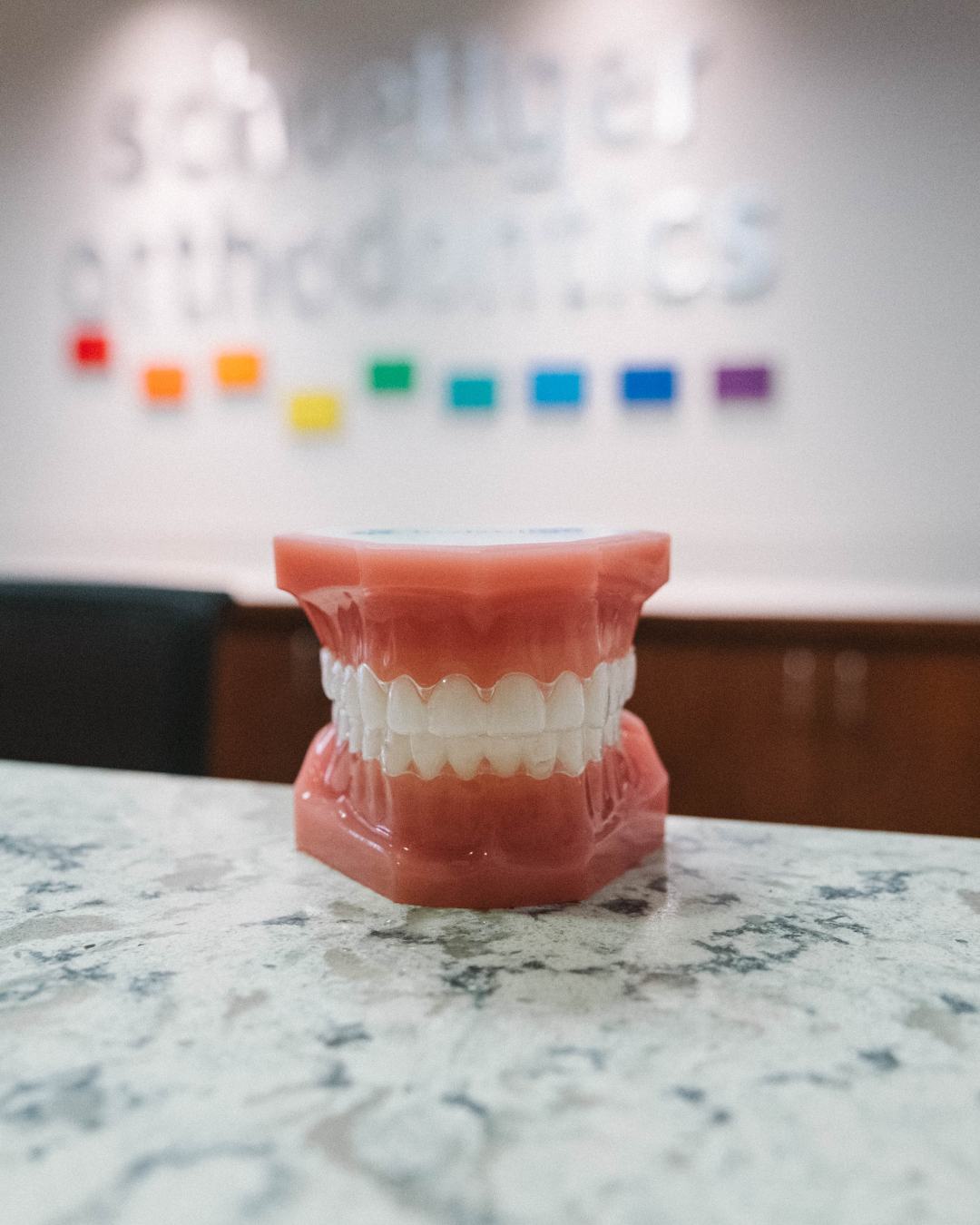
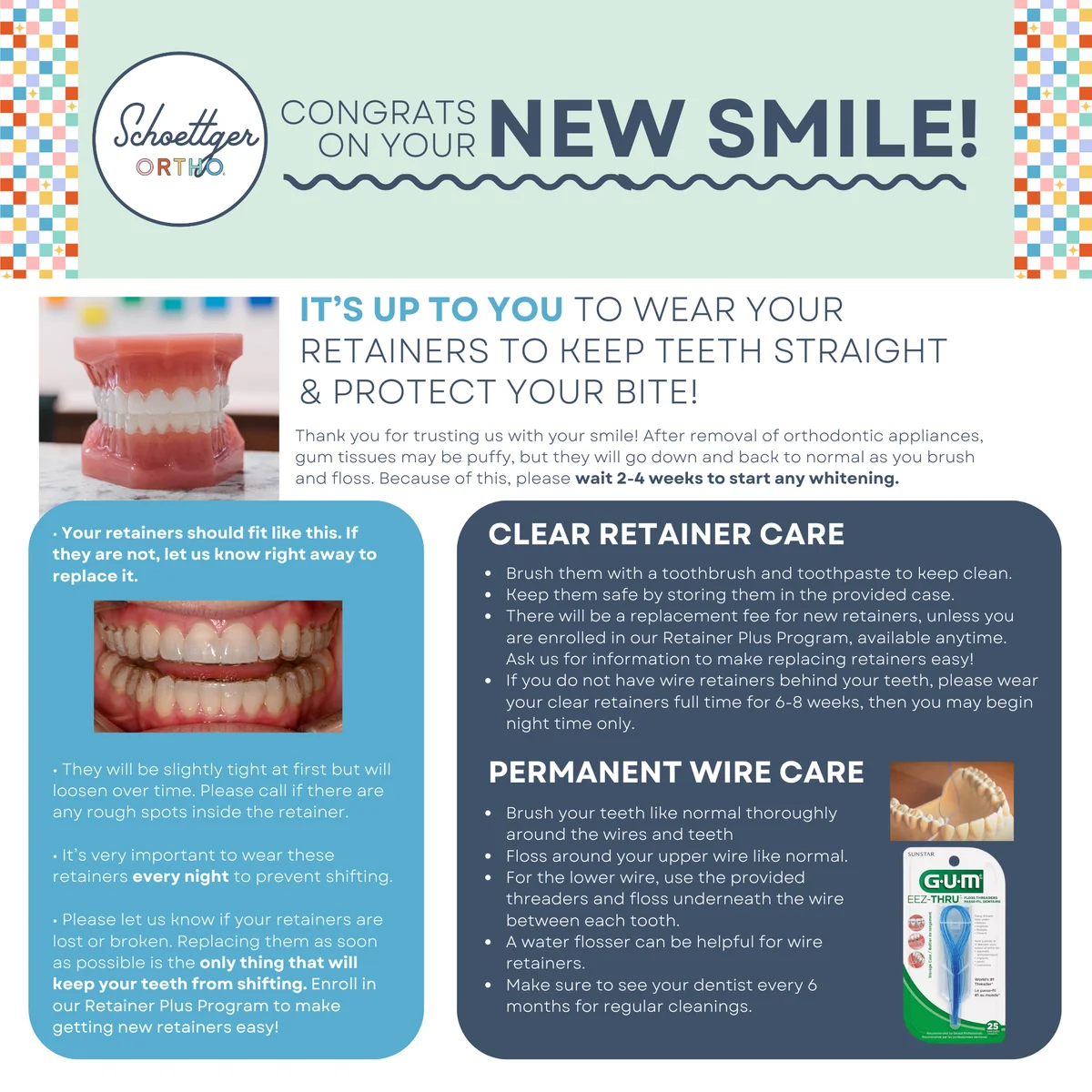
A properly fitted aligner should sit securely over the teeth without rocking or lifting. The edges should follow the gumline, and attachments should fit into the corresponding spaces in the tray.
A new aligner may require gentle pressure to seat fully. Minor spaces near certain teeth may be present at first, but large or growing gaps can suggest that your teeth are not following the planned sequence.
The table below compares common fit experiences and what they may mean.
Aligners are made from digital records of your mouth and a treatment plan developed for your teeth and bite. At Schoettger Orthodontics, digital scanning captures the shape of a patient’s smile without traditional impression material. Board-certified orthodontists create and monitor each Invisalign plan.
Attachments can affect how tightly a tray fits. These small tooth-colored shapes help the aligner grip certain teeth and create planned movements. Aligners may feel harder to remove around attachments, especially early in treatment.
A tray does not need to remain equally tight throughout its wear period. As your teeth move, it should usually feel less snug. That change is not a sign that they are not working. It can mean the movement programmed into that set is progressing.
How Long Tightness and Discomfort Usually Last
Most people notice the strongest pressure shortly after inserting a new tray. Parents may also notice greater sensitivity during the first few days after a child or teen changes aligners. The sensation often decreases as the teeth adapt. The timeline depends on the planned movements, wear consistency, and individual response.
Mild discomfort may include:
- Tenderness when biting or chewing
- A firm sensation around one or several teeth
- Temporary irritation from an aligner edge
- Resistance when removing a tray around attachments
- A snug feeling after meals
Starting a new set before bed may make the first several hours easier because the aligners remain in place while you sleep.
Trays may stay tight longer when they are not worn for the recommended number of hours. Time without the aligners allows teeth to shift away from the position the tray is trying to create, making reinsertion feel stronger.
Patients sometimes worry when an Invisalign tray is still tight after a week or when Invisalign is still tight after two weeks. Continued snugness does not always indicate a problem, but consider the tray’s overall fit. Check whether it sits fully over the teeth, whether attachments align with their spaces, and whether discomfort is improving. Parents should contact the orthodontic team if a child’s tray will not seat correctly or causes ongoing significant discomfort.
Do not move to the next set simply because the calendar says it is time. If your current aligner is not seated correctly or your teeth haven’t shifted as expected, advancing may make the next tray harder to fit. Contact your orthodontic office for instructions.
Avoid switching between trays on your own. Your orthodontist may advise you to wear a previous aligner, continue the current one, or move ahead based on your treatment plan and fit.
How to Make Tight Invisalign Aligners More Comfortable
A few habits can make the adjustment period easier while keeping each aligner seated properly.
Some patients also notice brief changes in pronunciation while their tongue adjusts to the trays, but speech often becomes clearer with regular wear and practice.
Follow your prescribed wear schedule. Removing aligners frequently may provide brief relief, but it can make reinsertion uncomfortable and delay progress. Keep them in except when eating, drinking anything other than water, brushing, or cleaning the trays unless instructed otherwise.
Insert and remove the trays carefully. Press the aligner into place with your fingers rather than biting down forcefully. Loosen it from the back teeth before working toward the front. Pulling from one spot can strain the plastic and attachments.
Choose softer foods during tender periods. Remove the aligners for meals, but choose foods such as eggs, pasta, yogurt, soup, steamed vegetables, and soft rice if your teeth remain sensitive.
Use orthodontic wax for an irritating edge. Wax can form a temporary barrier between a rough area and the cheek or gum. Do not reshape, file, cut, or heat the aligner unless instructed.
Keep the trays and your mouth clean. Food debris and plaque can affect fit and irritate the gums. Brush and floss before reinserting the trays when possible. Rinse them with cool or lukewarm water because hot water may distort the plastic.
Ask before using pain medication. Follow the label and speak with your doctor, dentist, pharmacist, or orthodontist if you have questions.
Aligners may be harder to remove when your mouth is dry. Stay hydrated and take your time. An aligner removal tool may help but should be used gently. Younger patients can ask a parent or orthodontic team member to demonstrate a safe removal technique.
Consistent wear helps prepare your teeth for the next set. Schoettger Orthodontics uses regular check-ins to monitor progress, and patients can use the My Invisalign app to track wear time and review care information.
When Tightness May Signal an Aligner Fit Problem
Normal pressure should gradually become manageable. Contact your orthodontist when tightness is severe, remains unchanged, or appears with signs that the tray is not tracking correctly.
Possible causes include inconsistent wear, a missed tray change, a lost or damaged aligner, or a tooth moving differently than expected. An attachment may also have come loose.
Watch for these concerns:
- The tray cannot fit fully over one or several teeth
- A large gap remains near the biting edge of a tooth
- The aligner repeatedly lifts away from an attachment
- The tray rocks, bends, cracks, or will not stay in place
- Pain is sharp, severe, localized, or worsening
- A tooth feels unusually loose or the gums appear swollen
- An attachment has fallen off
- You skipped a tray or started the wrong set
A small gap at the beginning of a tray does not automatically mean treatment has failed. Teeth move at different rates. A space that grows, fails to improve, or affects the tray’s fit deserves professional review.
If an aligner appears to be the wrong size, avoid forcing it into place. Check the number on the tray or package to confirm that you have the correct upper and lower set.
If you lose an aligner, contact Schoettger Orthodontics so the team can guide you. Wear your previous aligner in the meantime and do not advance unless instructed.
Contact your orthodontic team promptly for severe pain, facial swelling, signs of infection, trauma, or any concerning symptom. These should not be treated as routine aligner pressure.
Get Personalized Invisalign Support from Schoettger Orthodontics
Tightness is often a normal part of Invisalign treatment, especially when your teeth begin a new stage of movement. The pressure should remain manageable, and the trays should fit securely as your teeth move toward their planned positions.
Schoettger Orthodontics provides Invisalign treatment for children, teens, and adults in Lincoln and Seward, Nebraska. Dr. Jared and Dr. Anna Schoettger are board-certified orthodontists who use advanced digital planning to create and monitor treatment. The free first consultation includes a comprehensive exam, iTero digital scans, X-rays and photographs, a digital smile simulation, and a customized treatment plan with transparent pricing.
If your aligners feel unusually tight, are difficult to remove, or do not fit correctly, you do not have to figure it out on your own. Schedule a free consultation or contact Schoettger Orthodontics for friendly, personalized guidance based on your treatment stage.
%2520(1).png)
Start your smile transformation today
Schedule your free consultation and discover your Schoettger shine.